You Asked It!

Category: February 2026

Power Outage Food Safety Tips

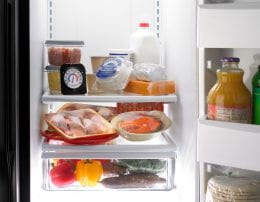
refrigerator
Monitor temperatures with an appliance thermometer in the refrigerator and freezer.
Photo: USDA Flickr

Winter is in full control which can lead to power outages from storms. Knowing how to determine if food is safe and how to keep food safe will help minimize the potential loss of food and reduce the risk of foodborne illness.

Always keep meat, poultry, fish, and eggs refrigerated at or below 40 °F and frozen food at or below 0 °F. This may be difficult when the power is out.

Keep the refrigerator and freezer doors closed as much as possible. An unopened refrigerator will keep food safely cold for about 4 hours. A full freezer will hold the temperature for approximately 48 hours (24 hours if it is half full) if the door remains closed. Obtain dry or block ice to keep your refrigerator as cold as possible if the power is going to be out for a prolonged period of time. Fifty pounds of dry ice should hold an 18-cubic foot full freezer for 2 days. Plan ahead and know where dry ice and block ice can be purchased.

Food thermometers and appliance thermometers will help you know if the food is at safe temperatures. Keep appliance thermometers in the refrigerator and freezer at all times.

Prepare one meal at a time so there are no leftovers. Don’t leave food sit at room temperature or in warm environments for more than two hours as this can lead to bacterial growth.

There are options to cook food. A fireplace is handy, but do not use charcoal in a fireplace as it can emit carbon mon-oxide. Use a camp stove, charcoal grill or gas grill in an outdoor space with plenty of ventilation.

Stock up on foods that do not require any cooking or refrigeration. Examples include peanut butter, canned meats, whole grain chips or crackers, fresh fruit, canned fruit, dried fruit, and many others. Don’t forget your pets! They also need nourishment in an emergency.

Handwashing is still important! Use bottled water and soap if running water is not available. Use disposable utensils and plates for easy clean up. Heat water on the outdoor grill to wash other items.

Learn more from the resources on the K-State Extension Food Safety website.
 

Be the MVP of your Super Bowl Party!

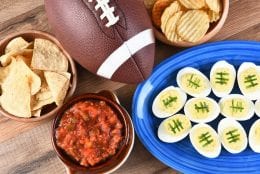
food safety football party
Photo: USDA Flickr

The big game is almost here and it’s time for a party! And where there’s a party, there’s food! Be the MVP of your party with these food safety tips:

Clean: Prepare for the win!

  • Start by washing your hands with warm soapy water for 20 seconds.
  • Wash and sanitize all dishware and utensils.

Separate: Your best defense!

  • Keep raw meat and poultry away from ready-to-eat foods.
  • Use a clean utensil for each dish.
  • Use a clean plate when going for second helpings of food.

Cook: A game winner!

  • Use a food thermometer to check for doneness
  • All poultry—165°F
  • Burgers and sliders—160°F
  • Soup and reheated foods—165°F

Chill: Don’t let the clock expire!

  • Keep hot foods hot and cold foods cold.
  • Put out food in batches.
  • Follow the 2-hour rule.

Source: Foodsafety.gov

Heartland Food Business Coalition

Heartland Food Business CoalitionThe Heartland Food Business Coalition is the new version of the former Heartland Regional Food Business Center after this program was cancelled in 2025.

The goals and mission of the Heartland Food Business Coalition continue to support small and mid-size food and farm entrepreneurs to get the right resources at the right time. The members still include Kansas, Iowa, Missouri, Nebraska and Oklahome.

Do you need assistance? Fill out the online form to reach one of the Kansas navigators.

Add Red-Colored Foods to February Meals

Red fruit and vegetables
Photo: Canva.com

In February, the color red becomes front and center for many reasons. From Valentine’s Day, to National Wear Red Day®, and American Heart Month, these events and more allow you to incorporate this bright color into each day.

One way to add more red is through food! Many fruits and vegetables have naturally red pigments including tomatoes, red bell peppers, red onions, beets, red apples, raspberries, cherries and many more. Even during cold winter months such as February you can find many options. Choose to add a red food each day to your meals using the Kansas Seasonal Local Food wheel.

Don’t forget to check the options for canned foods, frozen foods and dried foods where there are many red foods in these aisles of your local grocery store. Frozen strawberries, canned or pickled red beets, and dried cranberries can add pops of red color to many meals.

Besides the bright color, red fruits and vegetables provide nutritional benefits such as lycopene and anthocyanins which support heart health as well as dietary fiber. It’s a win-win for February!

Bake for Family Fun Month

baking
Photo: Canva.com

When it’s cold outside, warm up your home by baking some tasty treats! The Home Baking Association designates February as Bake for Family Fun Month.

Baking brings people together at home, in the classroom, or other community programs such as 4-H. The Home Baking Association has designed a 4-week lesson plan to help plan activities.

Week One – Learn the baking fundamentals. This helps build confidence and helps ensure a successful outcome in the weeks to come.

Week Two – Celebrate your favorite Valentine by baking a favorite treat such as heart-shaped cookies.

Week Three – Baking can honor generations of recipes and cultural traditions. You can explore your own family baking traditions along the way.

Week Four – Spread the joy of baking by sharing your treats with family, friends, neighbors, or those in need.

2026 Field to Fork Webinar Series

Field to Fork
Participants will learn research-based information all the way from garden or field to the table.

North Dakota State University Extension is offering their popular webinar series entitled Field to Fork. The 2026 edition will be held on Wednesdays from February 11 to April 15 from 2-3pm CST.

These webinars are presented by NDSU faculty and other invited speakers from surrounding states. Topics are typically focused on gardening and preserving food.

See the full list of webinars and registration at https://www.ndsu.edu/agriculture/extension/events/2026-field-fork-webinar-series. All webinars will be recorded.