by Jaymelynn Farney, beef systems specialist, Parsons, KS
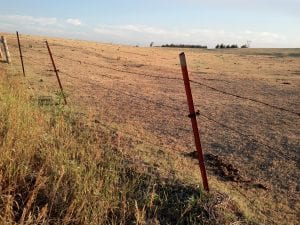 The drought that plagued most of the state through the previous winter and this summer was a perfect storm that has some operations concerned about forages for this winter. There are areas that have limited pasture growth and even with some of the recent rains, the rain may be too late or insufficient to change the pasture situation. Through last winter, around the nation, there were producers that fed more hay than typical and that has used up a significant amount of hay reserves. Given all these factors, cattle producers need to find alternative feedstuffs to maintain current cow numbers. This article will address a few things to think about when trying to stretch forages. Continue reading “Options for managing cows through the winter with limited forages”
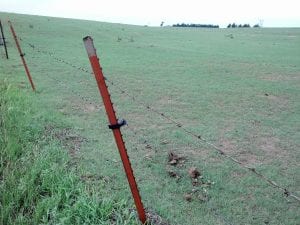 For many producers in Kansas, the last couple of weeks have brought much needed rain to our rangeland and helped fill ponds on which we depend for watering livestock. Much of central and northeast Kansas received 2 – 10 inches of rain over the Labor Day weekend. Undoubtably, the rain was welcomed by many and does much to relieve the short surface water supplies. The spring and summer of 2018 will be remembered by many cattle producers due to the hot and dry conditions that persisted. The lack of rain resulted in subpar forage production for both cool and warm season grasslands. As a result, cattle producers will face a wide range of lingering effects of the drought over the coming months and perhaps years.
 Over 200 cattlemen, industry representatives and academia interested in increasing the reproductive efficiency of beef cattle gathered at the Ruidoso Convention Center, Ruidoso, N.M., for the 2018 Applied Reproductive Strategies in Beef Cattle symposium Aug. 29-30.