by A.J. Tarpoff, DVM, MS, Beef Extension Veterinarian
Weaning is a necessary management strategy to transition our calves from the cow herd to the next stage of production. This transition can be stressful for young calves and ranchers. Preparing not only the cattle, but also the operation for weaning can greatly reduce the strain that can occur especially if the calves are going to be weaned and maintained on the operation. Weaning should be a planned strategy of the yearly herd cycle, rather than a spur of the moment event. Continue reading “Creating a plan for healthy weaned calves”
 As the forage in our pastures becomes more brown than green in appearance it is not uncommon to notice a few thin cows within the herd. As forage quality declines in late Summer/Fall it can be difficult for some cows to maintain body condition, especially young cows (first or second calf) or those with relatively high lactation potential. However, the best time to improve cow body condition on Spring-calving cows is post-weaning during the Fall.
 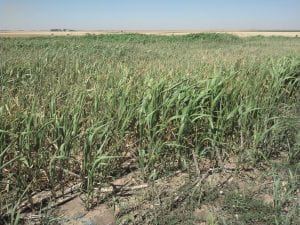 Many Kansas cattle operations rely on some type of harvested feed to use in the winter months and common among those sources is forage sorghum, sorghum-sudangrass and sudan. Forages in the sorghum family are prone to two different problems for feeding cattle, nitrate poisoning and prussic acid (hydrocyanic acid, HCN) poisoning. They are easy to get confused because both result in a lack of oxygen availability to the animal and are more likely to occur when the plant is stressed (fertility, hail, drought).