Who doesn’t love fall colors? Part of the allure of fall foliage is color variation. There are trees that turn red, purple, yellow, orange and brown.
Specific plant pigments determine individual colors. Foliage gets its normal green color from chlorophyll, the substance that captures the energy of the sun. Other pigments produce fall colors. Reds and purples are caused by anthocyanins, yellows by xanthophylls, and oranges by a combination of carotenes and xanthophylls. Browns are the result of tannins present in the leaf. Most of these substances are present throughout the growing season but are masked by the green color produced by chlorophyll. Anthocyanins are the exception and are produced after the chlorophyll is destroyed in the fall.
If you have ever seen pictures of New England in the fall, you have probably wondered why trees in Kansas usually do not color as well. This difference is partly because of the tree species prevalent in New England. Certain oaks and maples naturally produce good color. Coloring also is influenced by the weather.
Warm, sunny days and cool nights are ideal for good color. The sunny days encourage photosynthesis and, thus, sugar accumulation in the leaves. As fall progresses, each leaf develops an abscission layer at the base of the petiole, or leaf stem, that prevents these sugars from being transported down the trunk to the roots for storage. This high sugar content in the leaves produces more intense colors. Cloudy days and warm nights prevent some of the sugar accumulation in the leaves and results in less vibrant colors.
Weather during other parts of the growing season also can have an effect. Heavy rains in the early spring or hot, dry weather during the summer can both have a deleterious effect on fall color.
The length of time a tree maintains fall color also depends on weather. Reds, yellows and oranges are short-lived when trees undergo frosts and freezes.
By: Cassie Homan
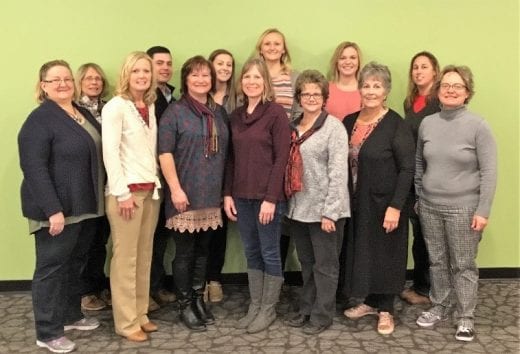 Curious how Extension became a staple part of your community? Nora Rhoades discusses the history of Extension in Kansas and the Post Rock District on our
  Whether it is a simple meal for two, or a large gathering with a buffet, food safety is a priority at any meal, and especially at the holidays. Nobody wants the gift of foodborne illness!
 Germs can enter your body through your nose, mouth, and eyes and make us sick. Washing your hands with soap and water for at least 20 seconds removes germs from hands and helps prevent sickness. The CDC states that studies have shown handwashing can prevent 1 in 3 diarrhea-related sickness and 1 in 5 respiratory infections, such as a cold or the flu. Handwashing helps prevent the spread of germs that can be transferred to others by dirty door knobs, tables, toys, etc.
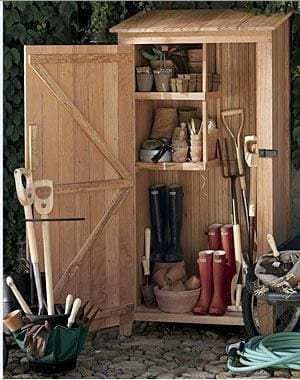 Now that the gardening season has come to an end, it’s time to tuck your tools away for the winter. Hoes, shovels and other common garden tools often have wooden handles that can deteriorate over time. Storing tools in a protected location can slow that process, but normal use will still expose the tools to the elements. The end of the season is a good time to clean up and protect the handles so they will last for many years. Weathering can raise the grain of wood, resulting in splinters. A light sanding can smooth the handle. Follow that with a light application of wood preservative, linseed oil or polyurethane to protect the wood. Wipe off any excess after a few minutes as oil-based products can attract dirt. Cleaning any dirt off metal parts and coating with a light application of oil can prevent rust. Good tools are expensive. A few minutes of care after the season is over can help preserve them for many years to come.